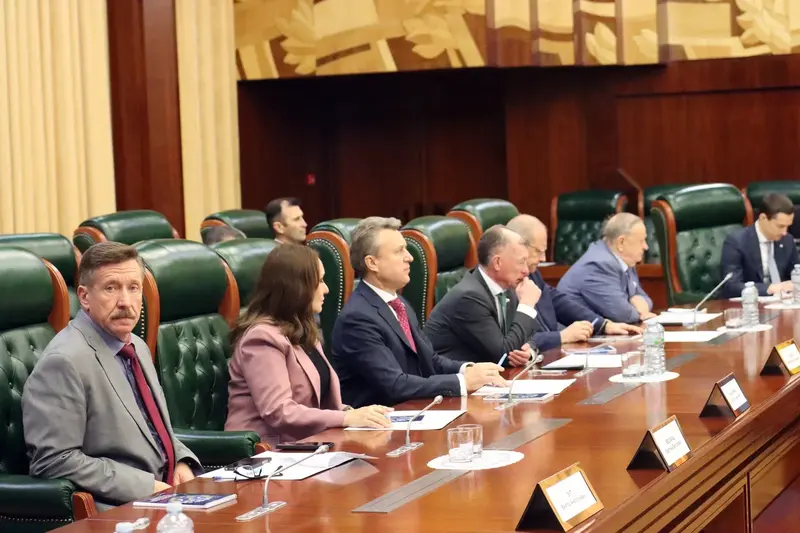
Delegation of the National Assembly of the Republic of Belarus to the CSTO PA consists of 7 deputies from the House of Representatives of the National Assembly of the Republic of Belarus and 4 deputies from the Council of the Republic of the National Assembly of the Republic of Belarus.
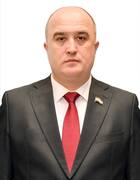
Plenipotentiary representative of the National Assembly of the Republic of Belarus: Viktor Kogut
Website of the House of Representatives of the National Assembly of the Republic of Belarus: http://house.gov.by/en/
Website of the Council of the Republic of the National Assembly of the Republic of Belarus: http://www.sovrep.gov.by/ru/
The delegation of the Kurultai of the Republic of Kazakhstan to the CSTO PA is represented by 6 deputies.
The head of the delegation is Aybek Dadebai, Chairman of the Kurultai of the Republic of Kazakhstan.
Deputation:
ADAMBEK Kendebai
KUSPEKOV Olzhas
RAKHIMZHANOV Askhat
KEMALOV Meirambai
KOZHAEV Marat
KUCHINSKAYA Yulia
Plenipotentiary Representative of the Parliament of the Republic of Kazakhstan, deputy Executive Secretary of the CSTO Parliamentary Assembly: Viktor Rogalev
Website of the Kurultai of the Republic of Kazakhstan: https://quryltai.kz/
Delegation of the Supreme Council of the Kyrgyz Republic to the CSTO PA consists of 6 deputies.
AKIMBAYEVA Gulnara
ALIMZHANOVA Nilufar
JALILOV Azamzhan
KOZUYEV Alisher
UZAKBAEV Ulukbek
Plenipotentiary Representative of the Supreme Council of the Kyrgyz Republic: Nurbek Satvaldiev
Website of the Supreme Council of the Kyrgyz Republic: http://www.kenesh.kg/
Delegation of the Federal Assembly of the Russian Federation to the CSTO PA is represented by 10 deputies of the State Duma of the Russian Federation and 12 senators of the Russian Federation.
Plenipotentiary representative of the Federal Assembly of the Russian Federation - deputy Executive Secretary of the CSTO Parliamentary Assembly: Mikhail Krotov
Delegation of the Supreme Assembly of the Republic of Tajikistan to the CSTO PA consists of 6 deputies of the National Assembly of the Supreme Assembly of the Republic of Tajikistan and 6 deputies of the Assembly of Representatives of the Supreme Assembly of the Republic of Tajikistan.
Victoria Abramchenko: A Great Deal of Joint Work Lies Ahead in Developing the CSTO Legal Framework
20 November 2026
Victoria Abramchenko: A Great Deal of Joint Work Lies Ahead in Developing the CSTO Legal Framework
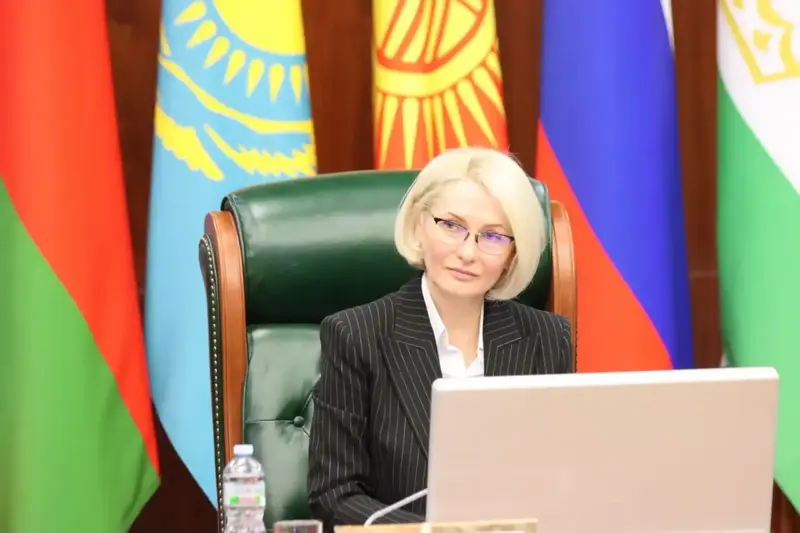
Interview with Deputy Chairman of the State Duma of the Russian Federation, Victoria Abramchenko
Interviewer: Ms. Abramchenko, you oversee the State Duma delegation to the CSTO Parliamentary Assembly that visited the Organization's Joint Staff today. What is the main purpose of such meetings for lawmakers?
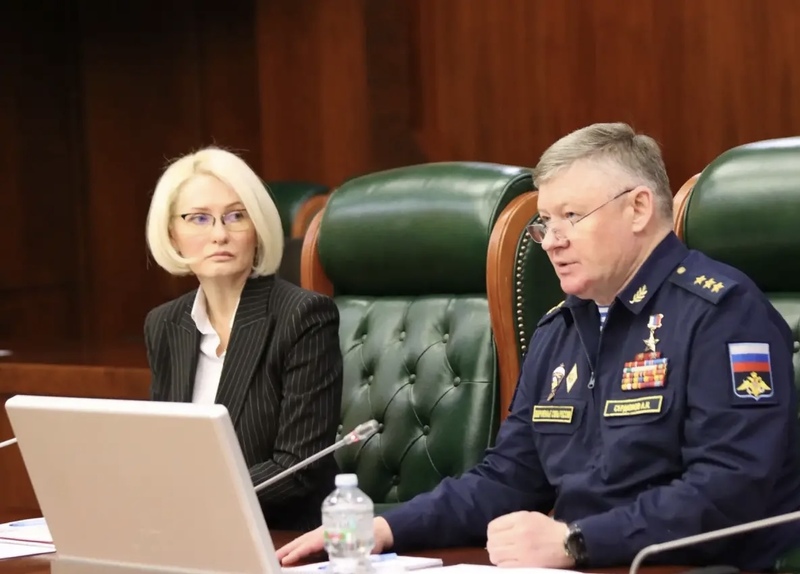
Victoria Abramchenko: The primary task of lawmakers is to translate CSTO decisions into effective national legislation across member states. State Duma Chairman Vyacheslav Volodin always emphasizes this and insists on maintaining the closest contact with the Joint Staff's leadership, and first and foremost with its chief, Colonel General Andrei Serdyukov.
The military sees firsthand where red tape is slowing down the Collective Forces, which is why the direct communication with the Joint Staff is essential. General Serdyukov briefed us in detail on their current operations, and the meeting was very informative.
Interviewer: How exactly does the joint work on legislation look like?
Victoria Abramchenko: Our main tool is model legislation. The CSTO Parliamentary Assembly has already adopted more than 100 model acts, with another 45 under development in line with the 2026–2030 Action Plan. It is worth pointing out that representatives of the Joint Staff are actively involved in the work of the CSTO PA Expert Advisory Board.
We have already developed model laws on peacekeeping operations and the status of international officials, as well as recommendations on military aviation flights and the status of servicemen.
Interviewer: What documents are currently underway?
Victoria Abramchenko: One of the key projects today is the Recommendations on Improving Legislation on the Use of Electronic Warfare Forces and Means by Contingents of one CSTO Member State on the Territory of Another. This is a direct response to today's challenges. In the future, we are to develop recommendations on the use of unmanned aerial vehicles, intelligence and air defense systems, as well as on the international transportation of military formations.
Interviewer: Which initiatives coming from the Joint Staff itself would you highlight?
Victoria Abramchenko: The Joint Staff's report outlines three priority areas for the Assembly to continue refining our legal framework. These include further improving domestic procedures in CSTO member states on the use of Collective Forces, facilitating the cross-border deployment of troops and the movement of military equipment, and regulating the use of weapons on the territory of another member state.
We have a great deal of joint work lying ahead of us, and I would like to once again thank the Joint Staff team and Andrei Serdyukov personally for this important and productive dialogue.
 RU