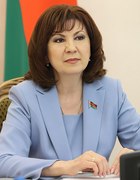
Delegation of the National Assembly of the Republic of Belarus to the CSTO PA consists of 7 deputies from the House of Representatives of the National Assembly of the Republic of Belarus and 4 deputies from the Council of the Republic of the National Assembly of the Republic of Belarus.
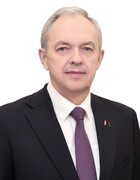
Plenipotentiary representative of the National Assembly of the Republic of Belarus: Viktor Kogut
Website of the House of Representatives of the National Assembly of the Republic of Belarus: http://house.gov.by/en/
Website of the Council of the Republic of the National Assembly of the Republic of Belarus: http://www.sovrep.gov.by/ru/
The delegation of the Kurultai of the Republic of Kazakhstan to the CSTO PA is currently being formed.
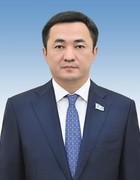
Plenipotentiary Representative of the Parliament of the Republic of Kazakhstan, deputy Executive Secretary of the CSTO Parliamentary Assembly: Viktor Rogalev
Website of the Kurultai of the Republic of Kazakhstan: https://quryltai.kz/
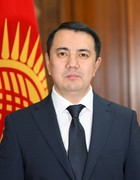
Delegation of the Supreme Council of the Kyrgyz Republic to the CSTO PA consists of 6 deputies.
AKIMBAYEVA Gulnara
ALIMZHANOVA Nilufar
JALILOV Azamzhan
KOZUYEV Alisher
UZAKBAEV Ulukbek
Plenipotentiary Representative of the Supreme Council of the Kyrgyz Republic: Nurbek Satvaldiev
Website of the Supreme Council of the Kyrgyz Republic: http://www.kenesh.kg/
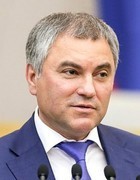
Delegation of the Federal Assembly of the Russian Federation to the CSTO PA is represented by 10 deputies of the State Duma of the Russian Federation and 12 senators of the Russian Federation.
Plenipotentiary representative of the Federal Assembly of the Russian Federation - deputy Executive Secretary of the CSTO Parliamentary Assembly: Mikhail Krotov
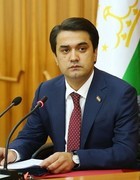
Delegation of the Supreme Assembly of the Republic of Tajikistan to the CSTO PA consists of 6 deputies of the National Assembly of the Supreme Assembly of the Republic of Tajikistan and 6 deputies of the Assembly of Representatives of the Supreme Assembly of the Republic of Tajikistan.
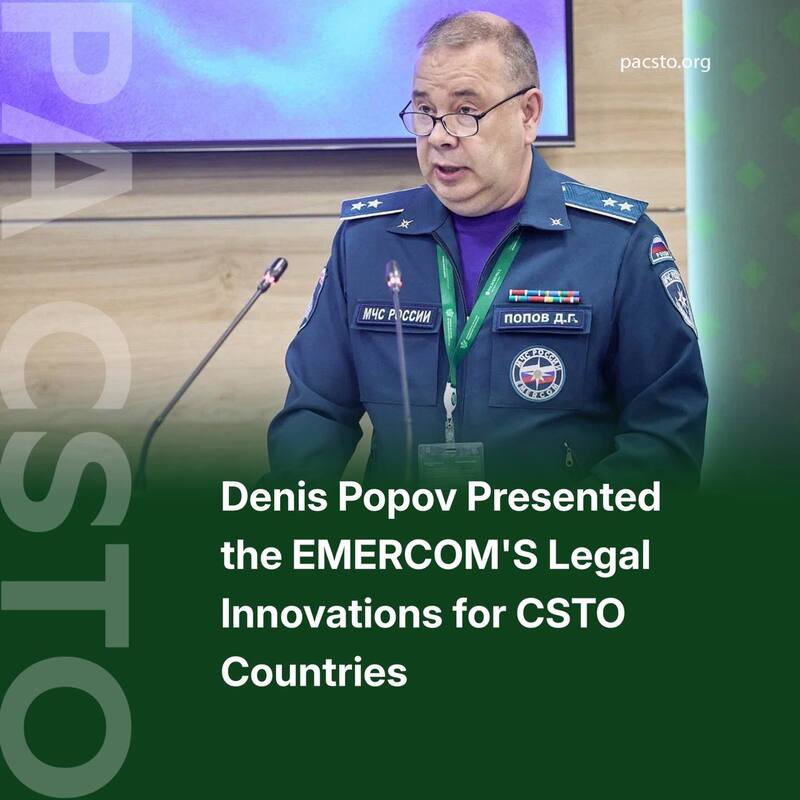
SPILF 2026: Denis Popov Presented the EMERCOM'S Legal Innovations for CSTO Countries
24 June 2026
SPILF 2026: Denis Popov Presented the EMERCOM'S Legal Innovations for CSTO Countries
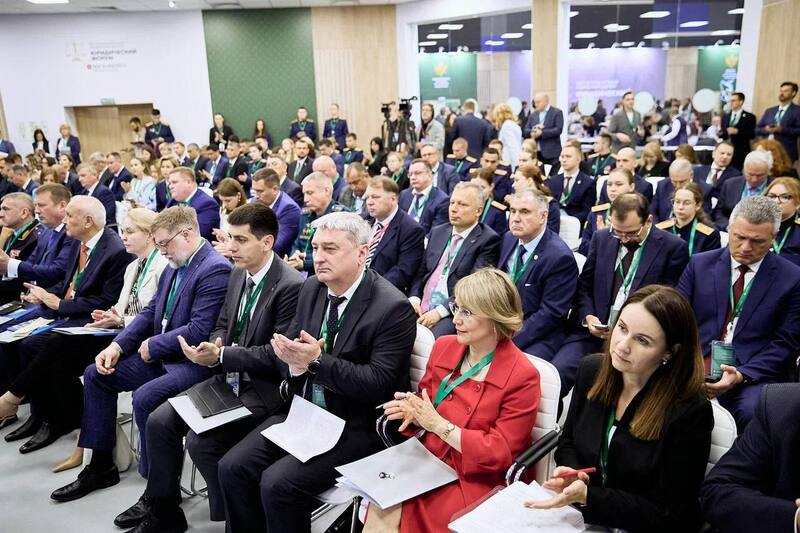
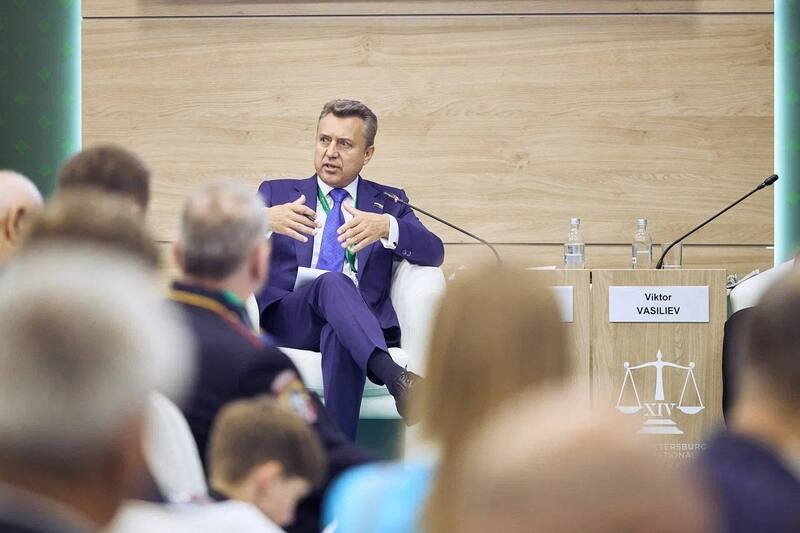
On June 24, at the CSTO PA thematic session on the margins of the St. Petersburg International Legal Forum 2026, Denis Popov, State Secretary and Deputy Minister of the Russian Ministry of Emergency Situations, delivered a presentation on the legal mechanisms of the civil defence and civil protection system within the framework of Eurasian integration.
In his speech, the ministry official emphasized that, in the current climate of global geopolitical transformation and degradation of traditional institutions of international law (such as the UN, the OSCE, and the OPCW), the responsibility for ensuring stability objectively falls on regional organizations.
Denis Popov noted that joint efforts by parliamentarians from all countries will help create a conducive environment for governments to work toward strengthening the Eurasian security architecture.
To build a secure environment for everyone, the Russian Ministry of Emergency Situations proposed drawing on domestic experience and extending a number of key innovations in Russian legislation to the CSTO region.
"A provision has been introduced into the legislation allowing for the use of financial and physical reserves even before an emergency actually occurs, in case of high alert situations. As for social protection for those affected, the Labor Code now includes guarantees for working citizens affected by emergencies, including the provision of an additional paid day off and unpaid leave. Mandatory requirements have been established for the evaluation of personal protective equipment against bacteriological, radioactive and toxic chemical threats, ensuring a uniform level of protection that takes into account the specifics of the modern battlefield," Denis Popov said.
The EMERCOM representative pointed out that legislation on pensions for servicemen applies to employees of emergency agencies in those countries that have entered relevant agreements, thereby ensuring equal social status for rescue workers.
Denis Popov underlined the vital role of the CSTO and the importance of model legislation for Member States. According to him, the national framework alone is insufficient today: the rescue umbrella provides protection only when it covers the entire shared space. He noted that, in practical terms, it means strict standardization of safety standards and the creation of well-established mutual assistance protocols, so that in the event of disasters, rescue teams can cross borders within hours rather than weeks.
In his closing remarks, the State Secretary of the Russian Ministry of Emergency Situations emphasized that the EMERCOM is ready to collaborate and exchange experience, both bilaterally and in multilateral forums, in accordance with common national interests of the partner states.
 RU
RU