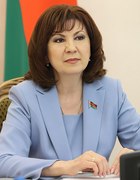
Delegation of the National Assembly of the Republic of Belarus to the CSTO PA consists of 7 deputies from the House of Representatives of the National Assembly of the Republic of Belarus and 4 deputies from the Council of the Republic of the National Assembly of the Republic of Belarus.
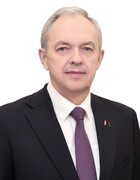
Plenipotentiary representative of the National Assembly of the Republic of Belarus: Viktor Kogut
Website of the House of Representatives of the National Assembly of the Republic of Belarus: http://house.gov.by/en/
Website of the Council of the Republic of the National Assembly of the Republic of Belarus: http://www.sovrep.gov.by/ru/
The delegation of the Kurultai of the Republic of Kazakhstan to the CSTO PA is currently being formed.
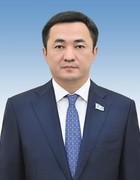
Plenipotentiary Representative of the Parliament of the Republic of Kazakhstan, deputy Executive Secretary of the CSTO Parliamentary Assembly: Viktor Rogalev
Website of the Kurultai of the Republic of Kazakhstan: https://quryltai.kz/
Delegation of the Supreme Council of the Kyrgyz Republic to the CSTO PA consists of 6 deputies.
AKIMBAYEVA Gulnara
ALIMZHANOVA Nilufar
JALILOV Azamzhan
KOZUYEV Alisher
UZAKBAEV Ulukbek
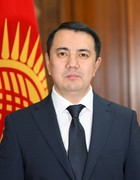
Plenipotentiary Representative of the Supreme Council of the Kyrgyz Republic: Nurbek Satvaldiev
Website of the Supreme Council of the Kyrgyz Republic: http://www.kenesh.kg/
Delegation of the Federal Assembly of the Russian Federation to the CSTO PA is represented by 10 deputies of the State Duma of the Russian Federation and 12 senators of the Russian Federation.
Plenipotentiary representative of the Federal Assembly of the Russian Federation - deputy Executive Secretary of the CSTO Parliamentary Assembly: Mikhail Krotov
Delegation of the Supreme Assembly of the Republic of Tajikistan to the CSTO PA consists of 6 deputies of the National Assembly of the Supreme Assembly of the Republic of Tajikistan and 6 deputies of the Assembly of Representatives of the Supreme Assembly of the Republic of Tajikistan.
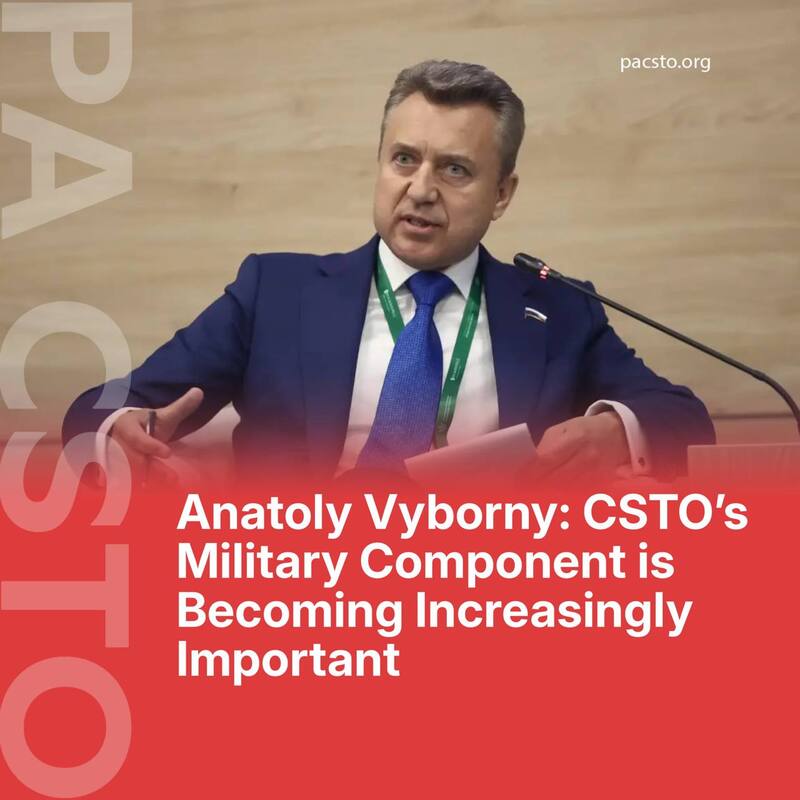
Anatoly Vyborny: CSTO’s Military Component is Becoming Increasingly Important
24 June 2026
Anatoly Vyborny: CSTO’s Military Component is Becoming Increasingly Important
Anatoly Vyborny: CSTO’s Military Component is Becoming Increasingly Important
Anatoly Vyborny, Chairman of the CSTO PA Council’s Expert Advisory Board, deputy Chairman of the State Duma Committee on Security and Corruption Control, opened the CSTO PA panel discussion at the 2026 St. Petersburg International Legal Forum (*SPILF*).
"The world is rapidly changing, and with it, challenges and threats are transforming just as quickly. Economic and information wars, sanctions and political pressure have become the new normal for many. Even pathogens have become weapons, not to mention environmental or energy threats. And in some countries, terrorism has essentially been elevated to the status of state policy. In this context, the CSTO is becoming increasingly important— specifically, the structure of its military component. What does it look like today, and how will it evolve in the future? Is there a place for unmanned systems, new types of weapons, new command-and-control systems, electronic warfare, military medicine and biological security?" Anatoly Vyborny questioned.
According to him, in the field of security the Organization is focusing on the use of new technologies, including AI, since their rapid development is leading to advancements in both cognitive operations and cybercrime.
"Now we are facing a new reality—where the criminal may be in one country, the server in another, and the victim in a third one.All of this has formed a strong need to develop both model legislation within the CSTO framework and national legislation. We are talking about a development that will, on one hand, go beyond a solely defensive strategy, which involves responding to various challenges and threats—for example, to the recruitment of our children through social media into terrorist and other criminal organizations. And on the other hand, accelerate the process of integrating model legislation into national laws," the head of the CSTO PA Council’s Expert Advisory Board emphasized.
The parliamentarian noted that now the international community’s sympathies lie not with the concept of a so-called "global strike," but with a global cooperation agenda and a mutually beneficial, just and multipolar world order. Namely one that entails viewing defence and security issues as single, indivisible categories—both de jure and de facto.
 RU
RU