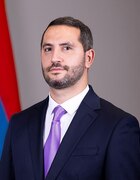
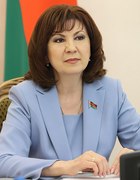
Delegation of the National Assembly of the Republic of Belarus to the CSTO PA consists of 7 deputies from the House of Representatives of the National Assembly of the Republic of Belarus and 4 deputies from the Council of the Republic of the National Assembly of the Republic of Belarus.
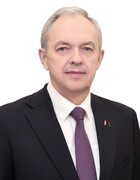
Plenipotentiary representative of the National Assembly of the Republic of Belarus: Viktor Kogut
Website of the House of Representatives of the National Assembly of the Republic of Belarus: http://house.gov.by/en/
Website of the Council of the Republic of the National Assembly of the Republic of Belarus: http://www.sovrep.gov.by/ru/
The delegation of the Kurultai of the Republic of Kazakhstan to the CSTO PA is currently being formed.
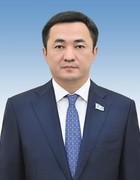
Plenipotentiary Representative of the Parliament of the Republic of Kazakhstan, deputy Executive Secretary of the CSTO Parliamentary Assembly: Viktor Rogalev
Website of the Kurultai of the Republic of Kazakhstan: https://quryltai.kz/
Delegation of the Supreme Council of the Kyrgyz Republic to the CSTO PA consists of 6 deputies.
AKIMBAYEVA Gulnara
ALIMZHANOVA Nilufar
JALILOV Azamzhan
KOZUYEV Alisher
UZAKBAEV Ulukbek
Plenipotentiary Representative of the Supreme Council of the Kyrgyz Republic: Nurbek Satvaldiev
Website of the Supreme Council of the Kyrgyz Republic: http://www.kenesh.kg/
Delegation of the Federal Assembly of the Russian Federation to the CSTO PA is represented by 10 deputies of the State Duma of the Russian Federation and 12 senators of the Russian Federation.
Plenipotentiary representative of the Federal Assembly of the Russian Federation - deputy Executive Secretary of the CSTO Parliamentary Assembly: Mikhail Krotov
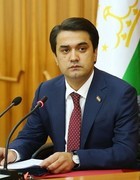
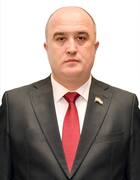
Delegation of the Supreme Assembly of the Republic of Tajikistan to the CSTO PA consists of 6 deputies of the National Assembly of the Supreme Assembly of the Republic of Tajikistan and 6 deputies of the Assembly of Representatives of the Supreme Assembly of the Republic of Tajikistan.
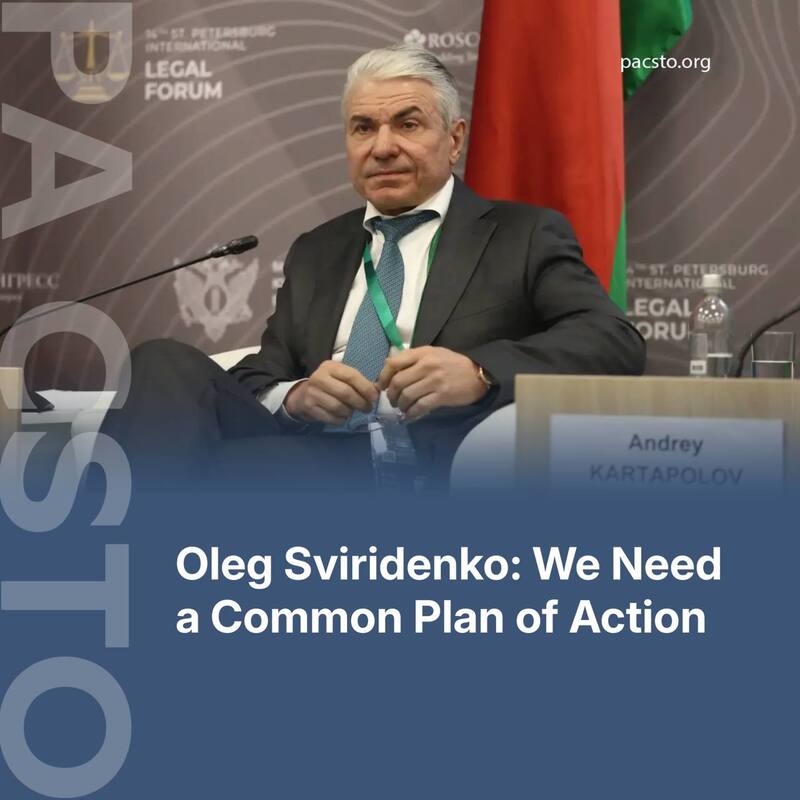
Speaking at the CSTO PA panel discussion "The Security Umbrella of Eurasian Integration" at the SPILF 2026, Oleg Sviridenko, deputy Minister of Justice of the Russian Federation, put special emphasis on a crucial aspect of security—protecting the CSTO Member States from destructive foreign influence.
He stressed that countries accustomed to dictating their will are shifting from sanctions to attempts to destroy traditional values, history and culture in order to maintain their leadership.
"These methods are aimed at undermining legitimate authority and pose a direct threat to national and regional stability," Oleg Sviridenko pointed out.
Deputy Minister of Justice drew the meeting's attention to the double standards of Western countries. For example, he cited the adoption in the United Kingdom of a strict Foreign Influence Registration System (FIRS), which went uncriticized by the United States and the European Union, in contrast to the pressure exerted on Georgia for similar legislative measures.
The Minister spoke at length about the Russian Federation’s consistent course toward strengthening state sovereignty and improving protective legislation.
The changes adopted regarding foreign agents include: establishing liability in the Criminal Code in cases of a single prior administrative violation; increasing the tax to 30%; transition to digital oversight: banks must submit account data through digital means within three days; closing loopholes for abuse of the right to be removed from the register: if foreign agent activities continue, the foreign agent can reapply for removal only after one year.
In addition to legal measures, a multimedia historical resource called "Sovereign Code" is being developed in Russia. This project is a response to systematic information campaigns aimed at undermining traditional values and distorting historical facts.
Oleg Sviridenko paid particular attention to issues within the Organization, noting that there is currently no specific regulation governing the activities of organizations receiving foreign funding in Belarus and Kazakhstan, despite active financial inflows from foreign agencies such as USAID.
In conclusion, Oleg Sviridenko called on the CSTO partners to develop a common plan of action and harmonize their legislations.
 RU
RU