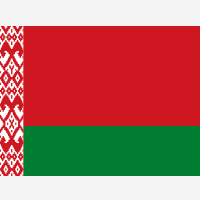
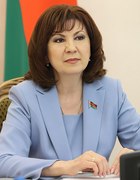
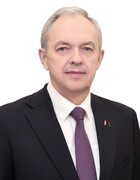
Delegation of the National Assembly of the Republic of Belarus to the CSTO PA consists of 7 deputies from the House of Representatives of the National Assembly of the Republic of Belarus and 4 deputies from the Council of the Republic of the National Assembly of the Republic of Belarus.
Plenipotentiary representative of the National Assembly of the Republic of Belarus: Viktor Kogut
Website of the House of Representatives of the National Assembly of the Republic of Belarus: http://house.gov.by/en/
Website of the Council of the Republic of the National Assembly of the Republic of Belarus: http://www.sovrep.gov.by/ru/
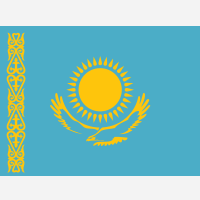
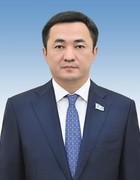
The delegation of the Kurultai of the Republic of Kazakhstan to the CSTO PA is represented by 6 deputies.
The head of the delegation is Aybek Dadebai, Chairman of the Kurultai of the Republic of Kazakhstan.
Deputation:
ADAMBEK Kendebai
KUSPEKOV Olzhas
RAKHIMZHANOV Askhat
KEMALOV Meirambai
KOZHAEV Marat
KUCHINSKAYA Yulia
Plenipotentiary Representative of the Parliament of the Republic of Kazakhstan, deputy Executive Secretary of the CSTO Parliamentary Assembly: Viktor Rogalev
Website of the Kurultai of the Republic of Kazakhstan: https://quryltai.kz/
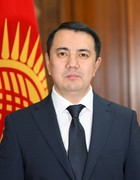
Delegation of the Supreme Council of the Kyrgyz Republic to the CSTO PA consists of 6 deputies.
AKIMBAYEVA Gulnara
ALIMZHANOVA Nilufar
JALILOV Azamzhan
KOZUYEV Alisher
UZAKBAEV Ulukbek
Plenipotentiary Representative of the Supreme Council of the Kyrgyz Republic: Nurbek Satvaldiev
Website of the Supreme Council of the Kyrgyz Republic: http://www.kenesh.kg/
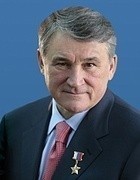
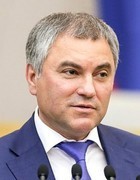
Delegation of the Federal Assembly of the Russian Federation to the CSTO PA is represented by 10 deputies of the State Duma of the Russian Federation and 12 senators of the Russian Federation.
Plenipotentiary representative of the Federal Assembly of the Russian Federation - deputy Executive Secretary of the CSTO Parliamentary Assembly: Mikhail Krotov
Delegation of the Supreme Assembly of the Republic of Tajikistan to the CSTO PA consists of 6 deputies of the National Assembly of the Supreme Assembly of the Republic of Tajikistan and 6 deputies of the Assembly of Representatives of the Supreme Assembly of the Republic of Tajikistan.
CSTO PA Combating Corruption Experience Discussed at the 15th Eurasian Forum
28 April 2026
CSTO PA Combating Corruption Experience Discussed at the 15th Eurasian Forum
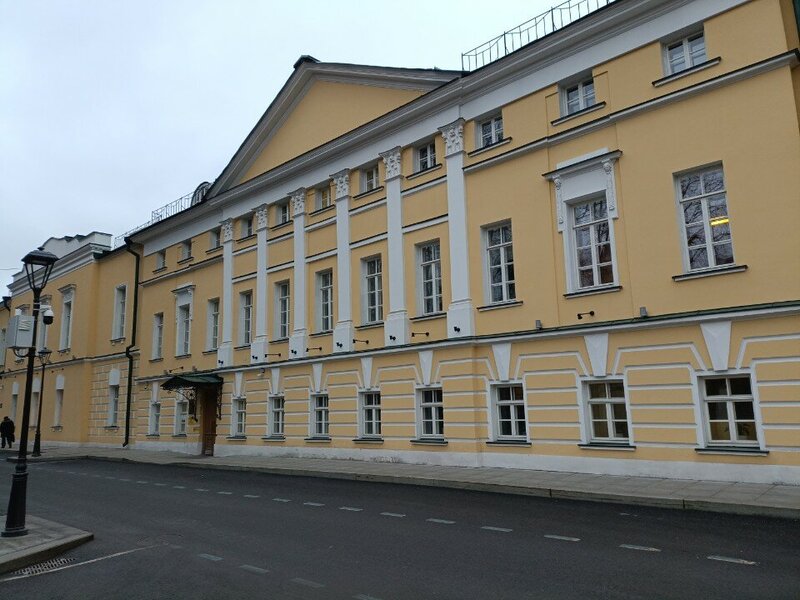
On April 28, the 15th Eurasian Anti-Corruption Forum was held in Moscow at the Institute of Legislation and Comparative Law under the Government of the Russian Federation.
Sergei Pospelov, Executive Secretary of the CSTO Parliamentary Assembly, addressed the forum. In his speech, he emphasized that corruption and the legalization of criminal proceeds pose a serious challenge to state institutions and sovereignty, and fuel organized crime and terrorism. According to Sergei Pospelov, detecting this type of crimes is currently very difficult due to complex transnational schemes and the use of modern IT technologies.
Sergei Pospelov stressed that legal measures play an important role in overcoming these challenges, emphasizing that the CSTO PA’s work in this area is based on more than 20 specialized model acts.
He pointed out that anti-corruption documents have been regularly included in the CSTO PA Action Plan on Approximation and Harmonization of National Legislation of the CSTO Member States, adopted every five years by the Assembly.
"Combating these threats through legal means is one of the key tasks of the Parliamentary Assembly of the Collective Security Treaty Organization," the Executive Secretary of the CSTO PA underlined.
As you may recall, from 2013 to 2019, the CSTO PA adopted a wide range of anti-corruption and related legal acts. These include Recommendations on Countering Bribery of Foreign Officials, as well as a 2015 package of documents on harmonizing legislation in combating organized crime, corruption and corporate raiding. In the following years, the legal framework was expanded to include a model law against the illegal seizure of legal entities and an anti-corruption glossary, as well as a set of 2017 acts: recommendations on assessing the corruption risk of civil service positions, ensuring national security, business and beneficiary transparency, and providing legal assistance in criminal cases, along with the model Agreement on the Criminal Prosecution of Foreigners Within the CSTO Forces. Finally, in 2019, Recommendations on the confiscation of property (outside the scope of criminal punishment) for combating corruption and the financing of terrorism were approved.
 RU
RU