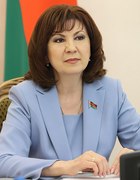
Delegation of the National Assembly of the Republic of Belarus to the CSTO PA consists of 7 deputies from the House of Representatives of the National Assembly of the Republic of Belarus and 4 deputies from the Council of the Republic of the National Assembly of the Republic of Belarus.
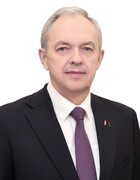
Plenipotentiary representative of the National Assembly of the Republic of Belarus: Viktor Kogut
Website of the House of Representatives of the National Assembly of the Republic of Belarus: http://house.gov.by/en/
Website of the Council of the Republic of the National Assembly of the Republic of Belarus: http://www.sovrep.gov.by/ru/
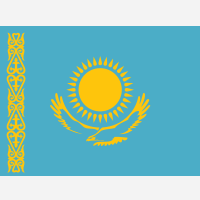
The delegation of the Kurultai of the Republic of Kazakhstan to the CSTO PA is represented by 6 deputies.
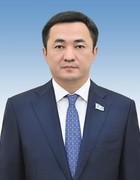
The head of the delegation is Aybek Dadebai, Chairman of the Kurultai of the Republic of Kazakhstan.
Deputation:
ADAMBEK Kendebai
KUSPEKOV Olzhas
RAKHIMZHANOV Askhat
KEMALOV Meirambai
KOZHAEV Marat
KUCHINSKAYA Yulia
Plenipotentiary Representative of the Parliament of the Republic of Kazakhstan, deputy Executive Secretary of the CSTO Parliamentary Assembly: Viktor Rogalev
Website of the Kurultai of the Republic of Kazakhstan: https://quryltai.kz/
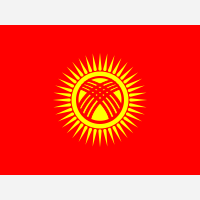
Delegation of the Supreme Council of the Kyrgyz Republic to the CSTO PA consists of 6 deputies.
AKIMBAYEVA Gulnara
ALIMZHANOVA Nilufar
JALILOV Azamzhan
KOZUYEV Alisher
UZAKBAEV Ulukbek
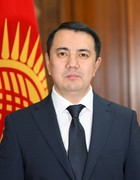
Plenipotentiary Representative of the Supreme Council of the Kyrgyz Republic: Nurbek Satvaldiev
Website of the Supreme Council of the Kyrgyz Republic: http://www.kenesh.kg/
Delegation of the Federal Assembly of the Russian Federation to the CSTO PA is represented by 10 deputies of the State Duma of the Russian Federation and 12 senators of the Russian Federation.
Plenipotentiary representative of the Federal Assembly of the Russian Federation - deputy Executive Secretary of the CSTO Parliamentary Assembly: Mikhail Krotov
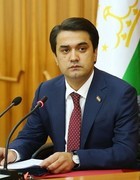
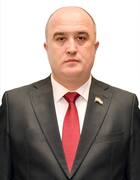
Delegation of the Supreme Assembly of the Republic of Tajikistan to the CSTO PA consists of 6 deputies of the National Assembly of the Supreme Assembly of the Republic of Tajikistan and 6 deputies of the Assembly of Representatives of the Supreme Assembly of the Republic of Tajikistan.
CSTO PA Experts Discuss Recommendations on Countering External Destructive Impact
26 March 2026
CSTO PA Experts Discuss Recommendations on Countering External Destructive Impact
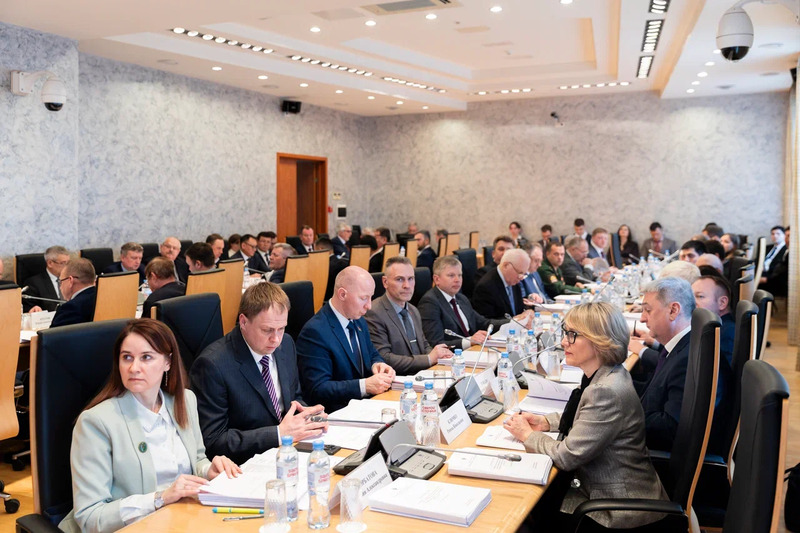
Today, at the meeting of the CSTO PA Council’s Expert Advisory Board, the participants reviewed Recommendations on Harmonization of the Legislation of the CSTO Member States on Ensuring Internal Stability and Counteracting Technologies of External Destructive Impact Aimed at Destabilizing the Socio-Political Situation.
The document is intended to set a unified approach to legal regulation for protecting the foundations of the constitutional order of the Organization’s Member States from technologies of information and psychological warfare, "controlled chaos" and “color revolutions."
The Recommendations emphasize that due to the high level of integration, destabilization in one CSTO Member State can trigger negative processes in the others. To counter external destructive forces that may use non-commercial structures to build protest capacity, comprehensive law harmonization is proposed.
The main changes proposed affect the following areas:
Political parties. Introducing a ban on entering transactions with and receiving donations from foreign states, legal entities, citizens and stateless persons. Engaging in these operations is to be established as grounds for dissolving a political party.
Non-profit organizations (NPOs). Introducing a ban on funding the politically active NPOs by foreign citizens and states, as well as provisions to give such organizations the status of "foreign agents." In addition, NPOs and public associations will be subject to mandatory registration.
Trade Unions. Provisions to forbid foreign citizens from forming trade unions and forbid trade unions to participate in unauthorized rallies.
Rallies. A rally can be organized only by adult citizens of the country said rally is to be held in, who are eligible voters. Individuals with unspent convictions for crimes against the state will be prohibited from organizing rallies. A strict ban on recruiting participants in exchange for monetary compensation.
Particular attention is paid to strengthening criminal law measures. A liability for accepting foreign assistance to carry out extremist activities or finance rallies, as well as for bribing citizens into participating in illegal actions, is to be included in the criminal law.
The harmonization of legislation is to be carried out in three stages: developing model laws, unifying the domestic legislative acts of CSTO Member States and refining the legal liability measures.
 RU
RU