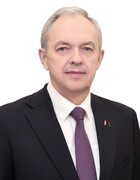
Delegation of the National Assembly of the Republic of Belarus to the CSTO PA consists of 7 deputies from the House of Representatives of the National Assembly of the Republic of Belarus and 4 deputies from the Council of the Republic of the National Assembly of the Republic of Belarus.
Plenipotentiary representative of the National Assembly of the Republic of Belarus: Viktor Kogut
Website of the House of Representatives of the National Assembly of the Republic of Belarus: http://house.gov.by/en/
Website of the Council of the Republic of the National Assembly of the Republic of Belarus: http://www.sovrep.gov.by/ru/
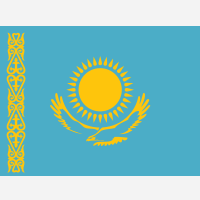
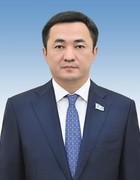
The delegation of the Kurultai of the Republic of Kazakhstan to the CSTO PA is represented by 6 deputies.
The head of the delegation is Aybek Dadebai, Chairman of the Kurultai of the Republic of Kazakhstan.
Deputation:
ADAMBEK Kendebai
KUSPEKOV Olzhas
RAKHIMZHANOV Askhat
KEMALOV Meirambai
KOZHAEV Marat
KUCHINSKAYA Yulia
Plenipotentiary Representative of the Parliament of the Republic of Kazakhstan, deputy Executive Secretary of the CSTO Parliamentary Assembly: Viktor Rogalev
Website of the Kurultai of the Republic of Kazakhstan: https://quryltai.kz/
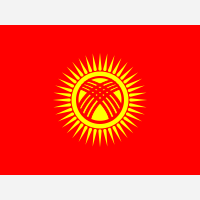
Delegation of the Supreme Council of the Kyrgyz Republic to the CSTO PA consists of 6 deputies.
AKIMBAYEVA Gulnara
ALIMZHANOVA Nilufar
JALILOV Azamzhan
KOZUYEV Alisher
UZAKBAEV Ulukbek
Plenipotentiary Representative of the Supreme Council of the Kyrgyz Republic: Nurbek Satvaldiev
Website of the Supreme Council of the Kyrgyz Republic: http://www.kenesh.kg/
Delegation of the Federal Assembly of the Russian Federation to the CSTO PA is represented by 10 deputies of the State Duma of the Russian Federation and 12 senators of the Russian Federation.
Plenipotentiary representative of the Federal Assembly of the Russian Federation - deputy Executive Secretary of the CSTO Parliamentary Assembly: Mikhail Krotov
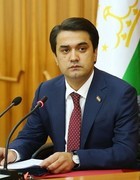
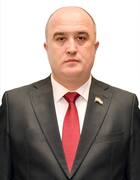
Delegation of the Supreme Assembly of the Republic of Tajikistan to the CSTO PA consists of 6 deputies of the National Assembly of the Supreme Assembly of the Republic of Tajikistan and 6 deputies of the Assembly of Representatives of the Supreme Assembly of the Republic of Tajikistan.
The St. Petersburg International Economic Forum Begins Today
3 June 2026
The St. Petersburg International Economic Forum Begins Today
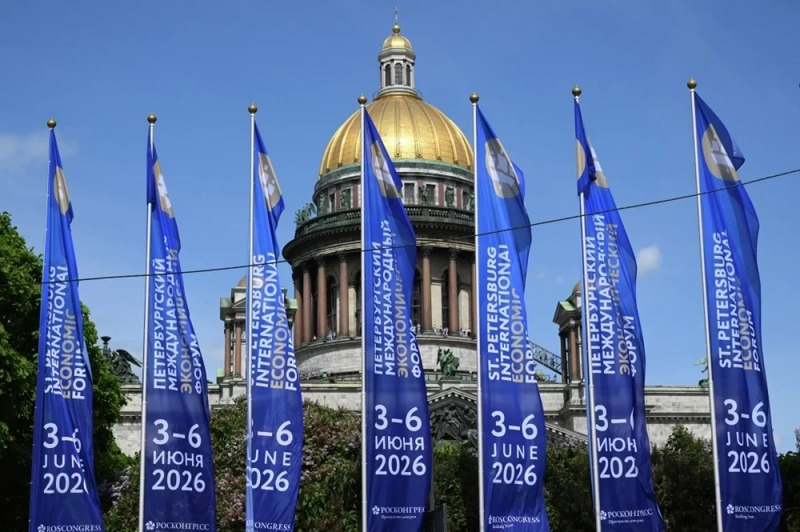
On June 3, the St. Petersburg International Economic Forum (SPIEF-2026) begins in Saint Petersburg, marking one of the key events in the global economy and business. The forum will end on June 6 and, traditionally, will bring together leading politicians, experts and businessmen.
Delegations from the Member States of the Collective Security Treaty Organization will take part in the SPIEF-2026 business program. The legislators' participation is aimed at strengthening interstate economic cooperation and expanding integration processes.
The St. Petersburg Economic Forum holds special historical meaning for the CSTO Parliamentary Assembly. The history of one of the main business events of the state is closely related to the history of the Assembly – the first forums were held at the Tavrichesky Palace, now housing the CSTO PA headquarters. Mikhail Krotov, Plenipotentiary Representative of the Federal Assembly of the Russian Federation in the Parliamentary Assembly and deputy CSTO PA Executive Secretary, as well as Executive Secretary of the St. Petersburg International Economic Forum in 1997-2005, shared his memories of the origins of this large-scale initiative as one of the founders of the forum and one of organizers of the first nine St. Petersburg International Economic Forums.
“The first St. Petersburg Economic Forum, organized by the IPA CIS, was attended by more than 1,500 people: heads of government and speakers of parliament of CIS states and Russian regions, as well as representatives of the business community. They all gathered at the Tavrichesky Palace to map out ways to expand economic cooperation and boost investment inflows. The first forum is best remembered for its tangible, practical results: 650 investment projects and numerous agreements, such as a 10-billion-ruble loan agreement between Belarus and Russia. Subsequent forums saw an expansion in their geographic reach and the rising status of their participants. Guests of the second forum remembered the speech of Aleksandr Lukashenko, President of the Republic of Belarus, predicting that the forum would become the “Slavic Davos.” Starting with the fourth forum, Vladimir Putin, President of Russia, issues annual Directives on the organization of the event, highlighting its status of Russia’s major economic summit. And starting with the seventh forum, its name changed to SPIEF. The ninth forum in June 2005 became the most spectacular. That year, the presidents of Russia and Azerbaijan surprised the audience: they left the presidium and took their seats in the hall alongside other participants of the discussion on economic development models. Summing up the event, Vladimir Putin emphasized that integration into the global economy is contingent upon one precondition: maintaining and preserving our state’s sovereignty. The President’s presence and speech inspired the audience as the result of thoughtful reflection of a leader who cares deeply for his state. “Perhaps this moment marked the beginning of the SPIEF’s modern history: leaving the Tavrichesky Palace walls behind, it continued to gain momentum, rose to global significance and became a global multipolarity-oriented institution," Mikhail Krotov shared.
As part of the forum, the parliamentarians plan to hold several business meetings and take part in discussions on global and regional economic security.
 RU
RU