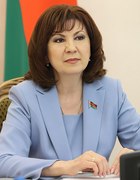
Delegation of the National Assembly of the Republic of Belarus to the CSTO PA consists of 7 deputies from the House of Representatives of the National Assembly of the Republic of Belarus and 4 deputies from the Council of the Republic of the National Assembly of the Republic of Belarus.
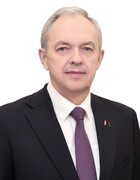
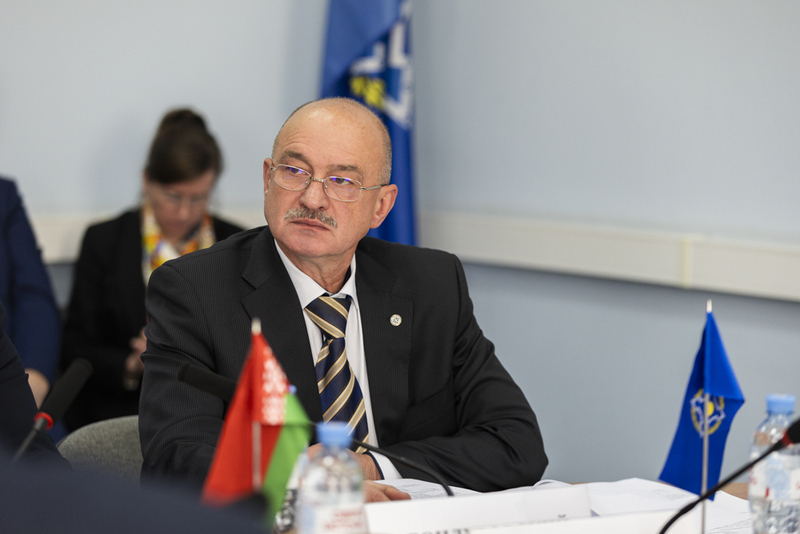
Plenipotentiary representative of the National Assembly of the Republic of Belarus: Viktor Kogut
Website of the House of Representatives of the National Assembly of the Republic of Belarus: http://house.gov.by/en/
Website of the Council of the Republic of the National Assembly of the Republic of Belarus: http://www.sovrep.gov.by/ru/
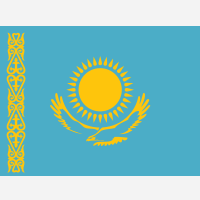
The delegation of the Kurultai of the Republic of Kazakhstan to the CSTO PA is represented by 6 deputies.
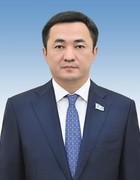
The head of the delegation is Aybek Dadebai, Chairman of the Kurultai of the Republic of Kazakhstan.
Deputation:
ADAMBEK Kendebai
KUSPEKOV Olzhas
RAKHIMZHANOV Askhat
KEMALOV Meirambai
KOZHAEV Marat
KUCHINSKAYA Yulia
Plenipotentiary Representative of the Parliament of the Republic of Kazakhstan, deputy Executive Secretary of the CSTO Parliamentary Assembly: Viktor Rogalev
Website of the Kurultai of the Republic of Kazakhstan: https://quryltai.kz/
Delegation of the Supreme Council of the Kyrgyz Republic to the CSTO PA consists of 6 deputies.
AKIMBAYEVA Gulnara
ALIMZHANOVA Nilufar
JALILOV Azamzhan
KOZUYEV Alisher
UZAKBAEV Ulukbek
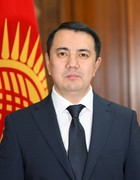
Plenipotentiary Representative of the Supreme Council of the Kyrgyz Republic: Nurbek Satvaldiev
Website of the Supreme Council of the Kyrgyz Republic: http://www.kenesh.kg/
Delegation of the Federal Assembly of the Russian Federation to the CSTO PA is represented by 10 deputies of the State Duma of the Russian Federation and 12 senators of the Russian Federation.
Plenipotentiary representative of the Federal Assembly of the Russian Federation - deputy Executive Secretary of the CSTO Parliamentary Assembly: Mikhail Krotov
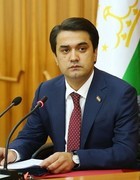
Delegation of the Supreme Assembly of the Republic of Tajikistan to the CSTO PA consists of 6 deputies of the National Assembly of the Supreme Assembly of the Republic of Tajikistan and 6 deputies of the Assembly of Representatives of the Supreme Assembly of the Republic of Tajikistan.
Regional Security Issues Were Discussed at St. Petersburg University
17 January 2026
Regional Security Issues Were Discussed at St. Petersburg University
On January 16, the XVI International Conference "The Eurasian Arc of Instability and Regional Security Issues from East Asia to North Africa: Geopolitical Results of 2025" was held at St. Petersburg State University.
The event was attended by Shabdanbek Alishev, Plenipotentiary Representative of the Jogorku Kenesh of the Kyrgyz Republic to the CSTO PA, Mikhail Krotov, Plenipotentiary Representative of the Federal Assembly of the Russian Federation to the CSTO PA, and Vladimir Bondurovsky, Deputy Head of the Secretariat of the CSTO Parliamentary Assembly.
The conference addressed a wide range of issues and factors that affect security systems in key regions along the Eurasian arc of instability. Vladimir Bondurovsky informed the conference participants about the results of the CSTO Collective Security Council meeting held in Bishkek on November 27, 2025, which outlined the main areas of activity during Russia's chairmanship in 2026.
Vladimir Bondurovsky informed the conference participants about the results of the CSTO Collective Security Council meeting held in Bishkek on November 27, 2025, which outlined the main areas of activity during Russia's chairmanship in 2026.
"The Bishkek session of the Collective Security Council clearly demonstrated the need for further improvement of the collective security system. Taking into account the decisions made, as well as the guidelines of the Council of Foreign Ministers, the Council of Ministers of Defense, and the Committee of Secretaries of Security Councils, priority attention will be given to further strengthening the military and political component of the CSTO, developing the components of the CSTO Troops, the management system, and comprehensive support for their training to carry out their assigned tasks, as well as improving the efficiency of decision-making and implementation of decisions on the use of forces and means of the CSTO collective security system," said Vladimir Bondurovsky.
The conference focused on the interaction between global and regional players, the geopolitical rivalry between them, territorial disputes, and the tools for profound reformatting of geocultural spaces.
 RU
RU